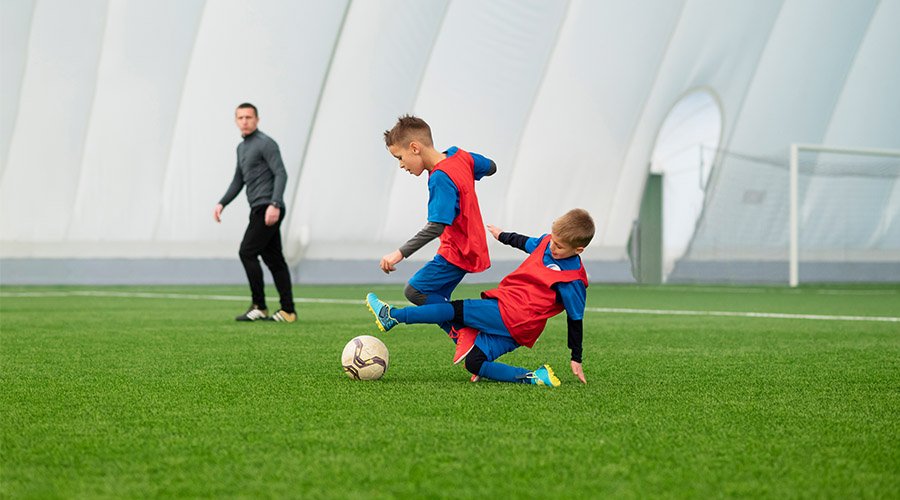
Sports and regular physical activity play a profound role in shaping our health, character, social bonds, and overall quality of life. The role of sports in life goes far beyond winning medals or competing at elite levels; it’s about embracing an active lifestyle that enriches our body, mind, and community. As highlighted by European University Sports Association (EUSA) and other health experts, sports can be a powerful force for transformation and well-being.
In this article, we explore how the role of sports in life touches physical health, mental wellness, social integration, personal growth and lifelong benefits for people of all ages.
Physical Health Benefits
One of the most tangible aspects of the role of sports in life is its impact on physical health. Regular participation in sports helps improve cardiovascular fitness, enhance muscle strength, and maintain healthy body weight.
Heart and circulatory health: Sports strengthen the heart muscle, improve circulation, and support overall cardiovascular health, reducing risks of heart disease, hypertension, and other chronic conditions.
Bone and muscle strength: Weight-bearing and dynamic sports promote bone density and muscular strength key for growth in youth and maintaining mobility later in life.
Weight management and metabolic health: Engaging in physical activity helps burn calories, control weight, and improve metabolism, potentially reducing risks like type-2 diabetes.
Long-term health benefits: Regular engagement in sports contributes to overall better health across one’s lifespan less risk of chronic disease, better mobility, and a stronger body.
Thus, at its core, the role of sports in life ensures we stay physically strong, healthy, and resilient.
Mental & Psychological Well-being
But the value of sports isn’t limited to physical health. The role of sports in life also strongly influences mental wellness, emotional resilience, and cognitive growth.
- Stress reduction and mood improvement: Exercise triggers release of natural “feel good” brain chemicals, helping to reduce anxiety, stress, and depression.
- Cognitive benefits & academic performance: Participating in sports improves memory, concentration, and problem-solving attributes that often translate into better performance at school or work.
- Self-esteem, confidence, and discipline: Achieving goals in sports (e.g. improving performance, mastering a skill) builds self-confidence, self-esteem, and a sense of accomplishment.
- Emotional regulation & resilience: Through wins and losses, sports teach resilience, patience, handling setbacks vital skills for emotional maturity and life’s challenges.
Especially for children and adolescents, the role of sports in life can shape their mental habits, attitudes, and ability to cope with stress providing a foundation for healthy adulthood.
Social, Team & Community Benefits
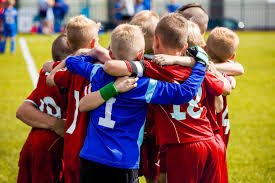
Another major dimension of the role of sports in life is social the way sports bring people together, build community, and foster soft skills like teamwork and leadership.
- Teamwork, communication, and cooperation: In team sports, individuals learn to collaborate, coordinate, and communicate essential life skills that extend beyond the field.
- Social inclusion, belonging, and community: Sports transcend cultural, social, and demographic divides. As described by EUSA, sports help bridge differences age, gender, background allowing people to come together around a shared passion.
- Leadership, discipline, and mutual respect: Committing to training, respecting rules, and competing fairly fosters discipline and respect qualities that benefit personal and professional life.
- Positive behavioral impact: Engaging youth in sports reduces the likelihood of risky behaviors they are more likely to adopt healthy habits and avoid unhealthy habits.
Thus, the role of sports in life is not just about the individual it also builds stronger, more inclusive, cohesive communities, and helps participants integrate better socially.
Character Building & Life Skills
Beyond health and social benefits, sports play a unique role in shaping character, mindset, and values all important for success in life beyond sports.
- Goal-setting & perseverance: Sports teach individuals to set targets improving personal bests, winning matches, mastering skills and work consistently to achieve them. That discipline often transfers to academic, career, or personal goals.
- Responsibility & time management: Regular practice schedules, balancing sports with studies or work sports instill responsibility, time management, and self-control.
- Resilience & coping with failure: Losses, injuries or setbacks come with sports. Learning how to cope, bounce back, stay motivated these experiences build resilience and emotional maturity.
- Discipline, respect, and fair play: Adhering to rules, respecting teammates, accepting both success and defeat sports nurture values that form the basis of character and ethics.
These life lessons often cannot be learned as effectively in classrooms which underscores how important the “role of sports in life” is, especially during formative years.
Sports as a Source of Identity, Unity & Inspiration
According to EUSA’s coverage of “What sports can do”, sports often provide a larger sense of purpose and belonging. Instead of serving only individuals, sports can unite people across cultural, national, and social boundaries.
- Unity & shared identity: Sporting events have the power to bring together people from different backgrounds, uniting them under a common flag or shared love of the game. This sense of unity fosters national or community pride, and solidarity.
- Exposure, broadened horizons and opportunities: Through sports, individuals can meet people from different walks of life, build networks, and even travel or engage internationally. This exposure broadens perspectives and encourages personal growth.
- Inclusivity and accessibility: Sports should be accessible regardless of age, gender, background, or ability. As EUSA stresses, the role of sports in life includes making them inclusive giving everyone the chance to benefit from physical activity, community, and self-development.
- Inspiration and life-changing impact: For many, sports become more than a hobby a source of identity, motivation, and a way to overcome personal difficulties.
In a world often divided by differences, the role of sports in life offers a unifying, uplifting path one that can empower individuals and communities alike.
Challenges and Balanced Perspective
While the role of sports in life is overwhelmingly positive, it’s important to acknowledge that it isn’t a magic solution for all problems. The authors at EUSA stress that sports are not the answer to everything but that, balanced and inclusive use of sports can be “one of the best channels to overcome challenges and live a healthy life.”
Some potential drawbacks or challenges might include:
- Risk of injuries, overtraining or burnout especially when balance and moderation are lacking.
- Exclusion or inequality: if sports aren’t made accessible to all (regardless of gender, disability, socio-economic background), then many miss out on the benefits.
- Pressure on performance, competition stress which can be a burden particularly on youth, if emphasis is only on winning rather than enjoyment and personal growth.
Thus, the role of sports in life should be embraced thoughtfully promoting accessibility, enjoyment, balance, and well-rounded participation rather than a narrow focus on competition or results.
Conclusion: Embrace the Role of Sports in Life
The role of sports in life is multifaceted and far-reaching. It improves physical health; enhances mental wellbeing; fosters social bonds, unity and community; builds character, discipline, and resilience; and offers identity, purpose, and opportunity.
Whether you’re a student, an adult, or a senior whether you prefer team sports or solo activity, casual play or organized athletics sports can (and should) be part of your life. As the European University Sports Association encourages, we should strive to make sports accessible to everyone, regardless of background, to unlock its benefits for individuals and communities.