

In today’s fast-paced world, people are becoming more aware of the need to stay fit and active. One of the most effective and enjoyable ways to achieve this is through sports. The role of sports in a healthy lifestyle goes far beyond physical fitness. It influences mental well-being, emotional balance, and even social development.
Whether you are a child, a teenager, or an adult, including sports in your daily routine can transform your life. From boosting energy levels to reducing stress, the role of sports in a healthy lifestyle is essential for long-term health and happiness.
Understanding a Healthy Lifestyle
A healthy lifestyle is not only about eating vegetables and avoiding junk food. It includes a combination of balanced nutrition, regular exercise, proper sleep, and mental well-being. Among these, physical activity plays a central role, and this is where sports become important.
The role of sports in a healthy lifestyle is significant because sports combine exercise with enjoyment. Unlike routine workouts that may feel repetitive, sports keep you engaged, motivated, and consistent.
Physical Benefits of Sports
1. Improves Cardiovascular Health
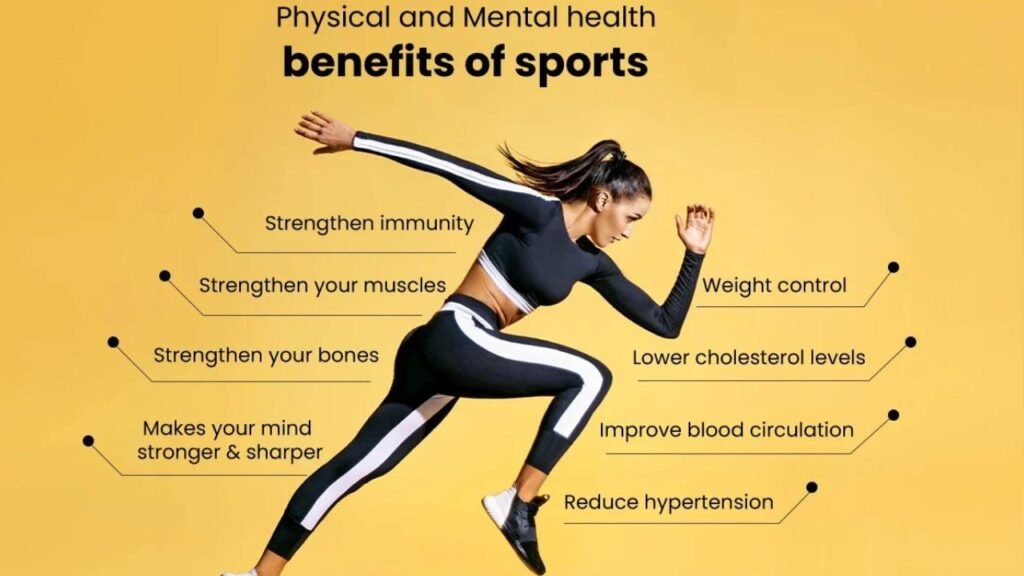
One of the biggest advantages of sports is improved heart health. Activities like football, basketball, swimming, and tennis increase heart rate and improve blood circulation. This reduces the risk of heart disease, high blood pressure, and stroke.
The role of sports in a healthy lifestyle includes strengthening the heart and lungs, which helps the body function more efficiently.
2. Helps in Weight Management
Obesity is a growing health problem worldwide. Playing sports regularly burns calories and helps maintain a healthy body weight. It also increases metabolism, which means your body continues to burn energy even after you finish playing.
Because of this, the role of sports in a healthy lifestyle is strongly linked to preventing obesity and maintaining a fit body.
3. Builds Strong Muscles and Bones
Sports like cricket, volleyball, and athletics strengthen muscles and improve bone density. Weight-bearing activities reduce the risk of osteoporosis and muscle loss as you age.
This shows how the role of sports in a healthy lifestyle supports long-term physical strength and mobility.
4. Boosts Immunity
Regular participation in sports improves the immune system. Moderate physical activity helps the body fight infections and illnesses more effectively.
Another important role of sports in a healthy lifestyle is keeping you less prone to common colds, flu, and other minor health issues.
Mental and Emotional Benefits of Sports
1. Reduces Stress and Anxiety
Modern life is full of stress from work, studies, and personal responsibilities. Sports act as a natural stress reliever. Physical activity releases endorphins, also known as “happy hormones,” which improve mood.
The role of sports in a healthy lifestyle includes helping people manage stress in a healthy and positive way.
2. Improves Mental Focus
Sports require concentration, quick decision-making, and strategic thinking. This improves brain function and mental sharpness. Students who play sports often perform better academically because their focus and memory improve.
This highlights another key role of sports in a healthy lifestyle enhancing cognitive performance.
3. Fights Depression
Regular physical activity has been shown to reduce symptoms of depression. Being part of a team, achieving goals, and staying active all contribute to a positive mindset.
The role of sports in a healthy lifestyle is powerful when it comes to maintaining emotional balance and self-confidence.
Social Benefits of Playing Sports
1. Builds Teamwork and Leadership Skills
Team sports teach cooperation, communication, and leadership. Players learn how to work together towards a common goal. These skills are useful not only on the field but also in school, work, and personal life.
The role of sports in a healthy lifestyle includes shaping strong social and interpersonal skills.
2. Encourages Discipline and Time Management
Sports require regular practice and commitment. Athletes learn to manage their time effectively, balancing sports with other responsibilities.
This discipline is another important role of sports in a healthy lifestyle, helping individuals stay organised and productive.
3. Expands Social Circle
Playing sports allows people to meet new friends and be part of a community. This reduces feelings of loneliness and increases a sense of belonging.
The role of sports in a healthy lifestyle therefore supports both physical and social wellbeing.
Sports and Healthy Lifestyle Habits
1. Promotes Better Sleep
People who play sports regularly tend to sleep better at night. Physical exertion helps the body relax and improves sleep quality. Good sleep is essential for recovery, mental clarity, and overall health.
Here again, the role of sports in a healthy lifestyle connects directly to better daily routines.
2. Encourages Healthy Eating
Athletes are more conscious about what they eat. When you are active in sports, you naturally prefer nutritious foods that provide energy and support performance.
The role of sports in a healthy lifestyle often leads to better food choices and long-term healthy eating habits.
3. Reduces Screen Time
Sports keep people away from excessive mobile phone and TV use. Instead of sitting for long hours, individuals stay active and engaged outdoors.
This shift clearly shows the role of sports in a healthy lifestyle in reducing sedentary behaviour.
Sports for Different Age Groups
Children and Teenagers
For young people, sports help in physical growth, confidence building, and social development. They learn life lessons like patience, respect, and perseverance.
Adults
For adults, sports are a great way to stay fit, relieve stress, and avoid lifestyle diseases such as diabetes and high blood pressure.
Older Adults
Even light sports like walking, swimming, or yoga-based games help seniors maintain mobility and independence. The role of sports in a healthy lifestyle continues at every stage of life.
How to Include Sports in Daily Life
You don’t have to be a professional athlete to enjoy sports. Here are simple ways to start:
- Join a local football or cricket club
- Play badminton or tennis on weekends
- Go cycling with friends
- Swim regularly
- Participate in community sports events
Consistency matters more than intensity. Even 30 minutes a day can highlight the role of sports in a healthy lifestyle in a noticeable way.
Conclusion
The role of sports in a healthy lifestyle is undeniable. Sports improve physical fitness, strengthen mental health, build social skills, and encourage positive daily habits. They make exercise enjoyable and sustainable, which is key to long-term wellbeing.
No matter your age or fitness level, including sports in your routine can lead to a healthier, happier, and more balanced life. Start small, stay consistent, and let sports become a natural part of your healthy lifestyle.
FAQs: Role of Sports in a Healthy Lifestyle
What is the role of sports in a healthy lifestyle?
The role of sports in a healthy lifestyle is to improve physical fitness, support mental health, and promote overall wellbeing through regular physical activity.
How do sports improve mental health?
Sports reduce stress, anxiety, and depression by releasing endorphins and improving mood, focus, and self-confidence.
Can sports help with weight loss?
Yes, regular sports activities burn calories, boost metabolism, and help maintain a healthy body weight.
How often should I play sports to stay healthy?
Playing sports at least 3–5 times a week for 30–60 minutes can significantly support a healthy lifestyle.
Are sports better than gym workouts?
Both are beneficial, but sports are often more enjoyable and social, which makes it easier to stay consistent in the long term.