
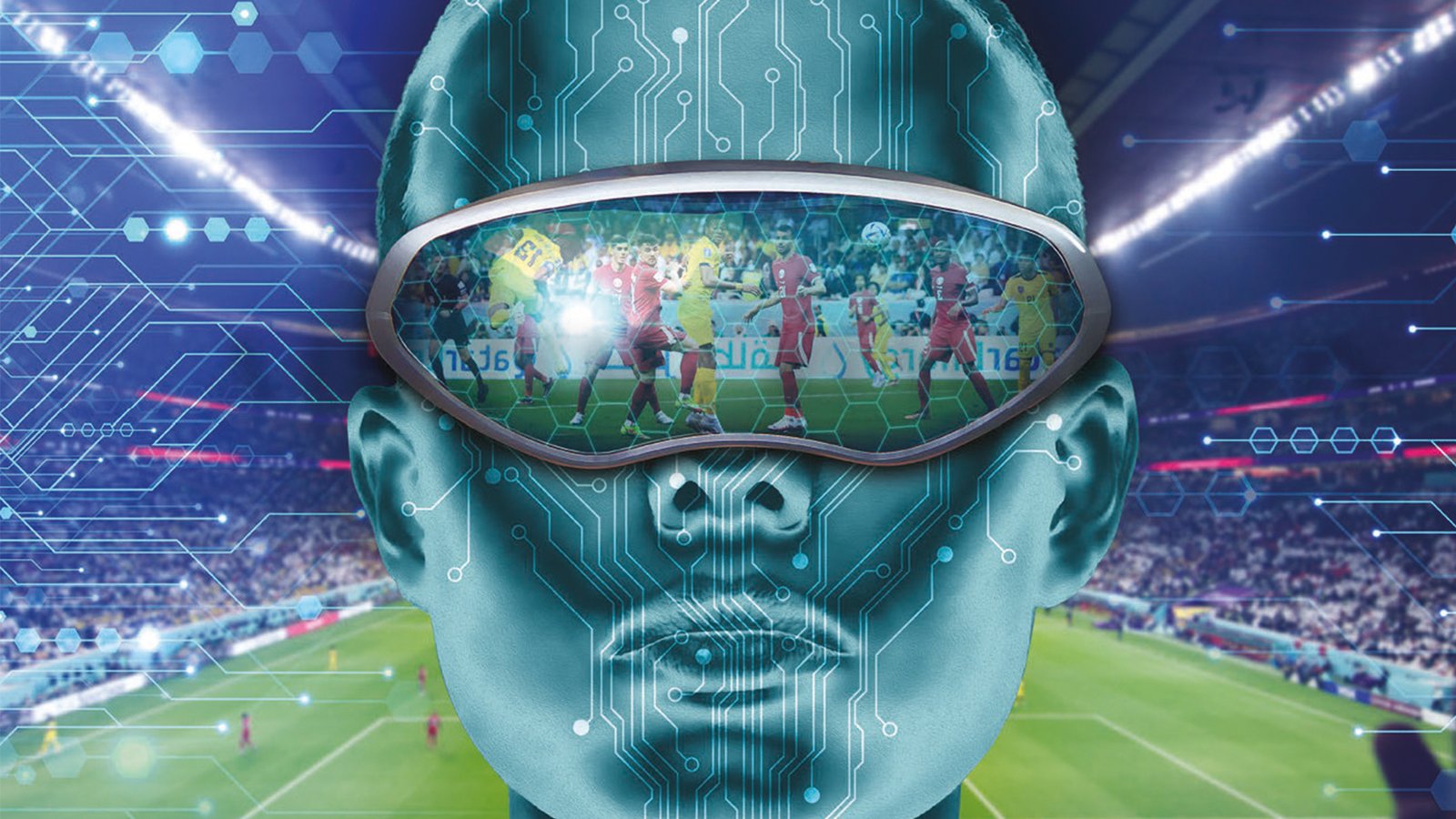
Sports have always evolved with time. From black-and-white television broadcasts to high-definition streaming, every era has introduced something new. Today, technology in live sports is transforming the way games are played, watched, analyzed, and experienced.
Whether you are inside a stadium or watching from home, the impact of technology on live sports is impossible to ignore. From smarter refereeing decisions to immersive fan engagement, innovation is shaping the future faster than ever.
Let’s explore how technology is revolutionizing live sports worldwide.
The Rise of Technology in Live Sports
The relationship between sports and technology is not new. However, the pace of innovation has dramatically increased over the last decade. Now, technology in live sports influences everything from player performance to fan interaction.
Modern sports rely on:
- High-speed cameras
- Real-time data analytics
- AI-powered performance tracking
- Virtual and augmented reality
- Smart broadcasting systems
These advancements are not just improvements; they are redefining the future of sports.
Smart Stadiums: The Future of Live Experience
One of the biggest changes brought by technology in live sports is the concept of smart stadiums.
Modern venues now include:
- High-speed Wi-Fi connectivity
- Digital ticketing systems
- Cashless payments
- Smart security monitoring
- Giant 360-degree LED screens
Fans can order food from their seats, check instant replays on their phones, and share live moments instantly. This seamless experience makes stadium visits more interactive and enjoyable.
Technology is turning stadiums into fully connected entertainment hubs.
Video Assistant Referee (VAR) and Smart Officiating
Fairness is crucial in sports. Thanks to technology in live sports, controversial decisions are now reviewed with precision.
Systems like:
- VAR in football
- Hawk-Eye in cricket and tennis
- Goal-line technology
- Instant replay systems
have significantly improved accuracy.
These tools reduce human error and increase trust among players and fans. While debates still happen, technology ensures decisions are more transparent than ever.
Real-Time Data and Player Analytics
Performance tracking has become one of the most powerful aspects of technology in live sports.
Athletes now wear smart sensors that track:
- Speed
- Heart rate
- Distance covered
- Movement patterns
- Fatigue levels
Coaches use this data to improve strategies and reduce injuries. Real-time insights allow teams to adjust tactics instantly during matches.
This data-driven approach is shaping smarter athletes and smarter games.
Enhanced Broadcasting and Streaming
Perhaps the most visible impact of technology in live sports is in broadcasting.
Today’s viewers enjoy:
- 4K and 8K video quality
- Multiple camera angles
- Slow-motion replays
- Real-time statistics on screen
- Interactive viewing features
Streaming platforms allow fans worldwide to watch matches instantly. On websites like smartcricwin, fans stay connected with updates and live experiences no matter where they are.
Technology has made sports global, accessible, and more immersive than ever.
Virtual Reality (VR) and Augmented Reality (AR)
Imagine sitting in your living room but feeling like you’re inside the stadium. That is the power of VR.
Technology in live sports now includes:
- Virtual stadium tours
- 360-degree match experiences
- Augmented graphics during live broadcasts
- Interactive player statistics in real time
AR overlays help viewers understand strategies, distances, and formations visually. This makes sports more educational and engaging for new audiences.
Social Media and Fan Engagement
Social platforms have completely changed how technology in live sports connects fans.
Now, fans can:
- Comment live during matches
- Participate in polls
- Join online communities
- Interact with athletes directly
Sports organizations use data to understand fan behaviour and personalize experiences. This digital connection strengthens loyalty and engagement worldwide.
Artificial Intelligence in Sports Strategy
Artificial intelligence is one of the most powerful drivers of technology in live sports.
AI helps in:
- Predicting player performance
- Analysing opponent strategies
- Injury prevention forecasting
- Automating camera angles in broadcasting
Teams are using machine learning tools to gain competitive advantages. This shift means the future of sports will be both physical and highly analytical.
Wearable Technology and Injury Prevention
Injury prevention is a major focus in modern sports. Wearable technology tracks physical strain and provides early warning signs.
With advanced monitoring, technology in live sports helps athletes:
- Avoid overtraining
- Recover faster
- Maintain peak performance
- Extend career longevity
This innovation benefits players, teams, and fans who want to see top talent perform consistently.
E-Sports and Hybrid Sports Experiences
The line between traditional sports and digital competition is fading.
Technology in live sports has created:
- Hybrid tournaments
- Virtual competitions
- Interactive gaming integrations
- Digital fan tokens and blockchain engagement
E-sports now fill stadiums just like traditional sports. This expansion proves technology is not replacing sports, it is expanding them.
The Future of Technology in Live Sports
Looking ahead, the future promises even more exciting developments:
- AI referees
- Fully immersive VR stadium experiences
- Real-time language translation for global broadcasts
- Biometric fan interaction systems
As innovation continues, technology in live sports will further blur the line between physical and digital experiences.
The future will be smarter, faster, and more connected.
Why Technology in Live Sports Matters
The impact goes beyond entertainment. It affects:
- Athlete safety
- Fair competition
- Global accessibility
- Economic growth
- Youth engagement
Technology is not just enhancing sports; it is reshaping the entire ecosystem.
FAQs About Technology in Live Sports
What is technology in live sports?
Technology in live sports refers to digital tools, data systems, and innovations that improve gameplay, broadcasting, officiating, and fan experience.
How does VAR improve fairness?
VAR allows referees to review critical moments using video replay, reducing incorrect decisions.
Can technology reduce player injuries?
Yes, wearable devices and performance tracking help monitor fatigue and prevent overtraining.
How does streaming technology change sports viewing?
Streaming allows fans worldwide to watch matches in high quality with interactive features.
What is the future of technology in live sports?
Future advancements include AI-powered refereeing, immersive VR viewing, and smarter stadiums.
Final Thoughts
The evolution of technology in live sports is redefining how we play, watch, and experience games. From smart stadiums to AI analytics, innovation continues to enhance fairness, excitement, and global connection.
As technology advances, live sports will become even more immersive and data-driven. One thing is certain the future of sports will be powered by innovation. Stay connected with the latest updates and insights at smartcric.win, where the future of sports meets technology.